Standard solutions in Industrial IoT (IIoT) often reach their limits because industrial environments are heterogeneous, historically grown and highly individualized. Platforms can make it easier to get started, but are rarely able to fully represent real machine parks, existing IT systems and specific processes.
In practice, there are typical challenges:
The sustainable added value of IIoT only comes when data is precisely integrated and further processed — often through individual software development rather than through rigid standard platforms.
Wir entwickeln entlang Ihrer Geschäftsprozesse, nicht entlang der Produktgrenzen einer Standardplattform. Das Ergebnis: Software, die passt – ohne Plattformzwang und ohne Lock-in.
Durch Clean Code bleibt Ihre Software wartbar, verständlich und erweiterbar. Gerade im Maschinenbau, wo Lebenszyklen von 15 bis 20 Jahren die Regel sind, ist das kein Luxus, sondern Investitionsschutz.
Von der Maschinensteuerung über OPC UA und MQTT bis zu ERP, MES und Cloud-Plattformen: Wir verbinden Ihre Systemlandschaft – auf Basis von .NET-Technologie, offener Standards und zukunftsfähiger Architektur.
Betrieb, Monitoring, Security und Skalierung fließen von Anfang an in Architektur und Entwicklung ein. Mit Blick auf CRA, NIS2 und die neue EU-Maschinenverordnung entwickeln wir Ihre Software compliant für morgen.

Use of operating data to better plan maintenance measures and reduce unplanned outages. Find out how we minimize downtime in our reference LEWA.

Transparency about machine states, downtimes or deviations as a basis for operational decisions — as our practical example of highly efficient smart monitoring in the LEWA reference shows.

Analysis of throughput times, bottlenecks or process deviations based on real production data. Our case study for coating systems shows how cross-site data analysis increases efficiency.

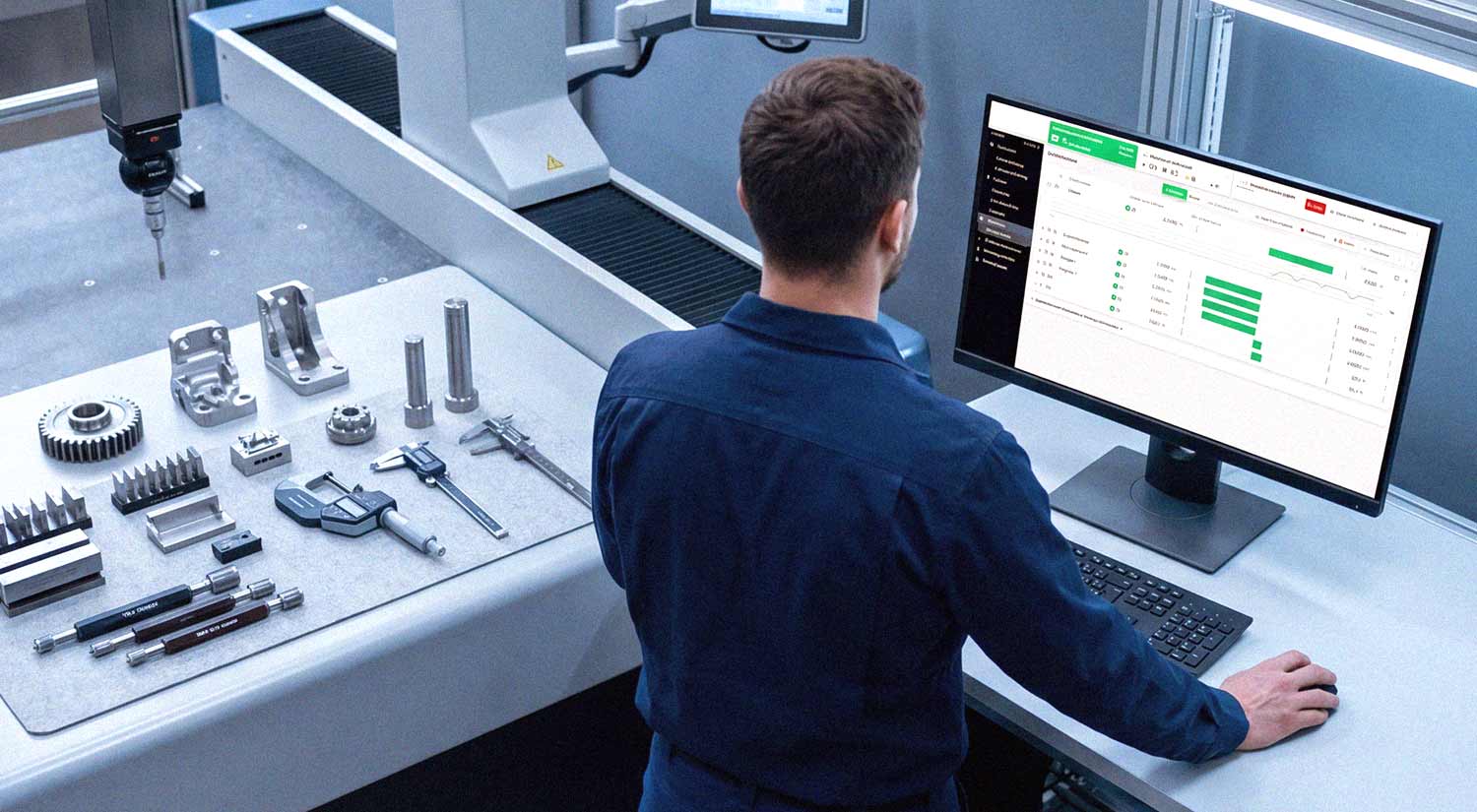
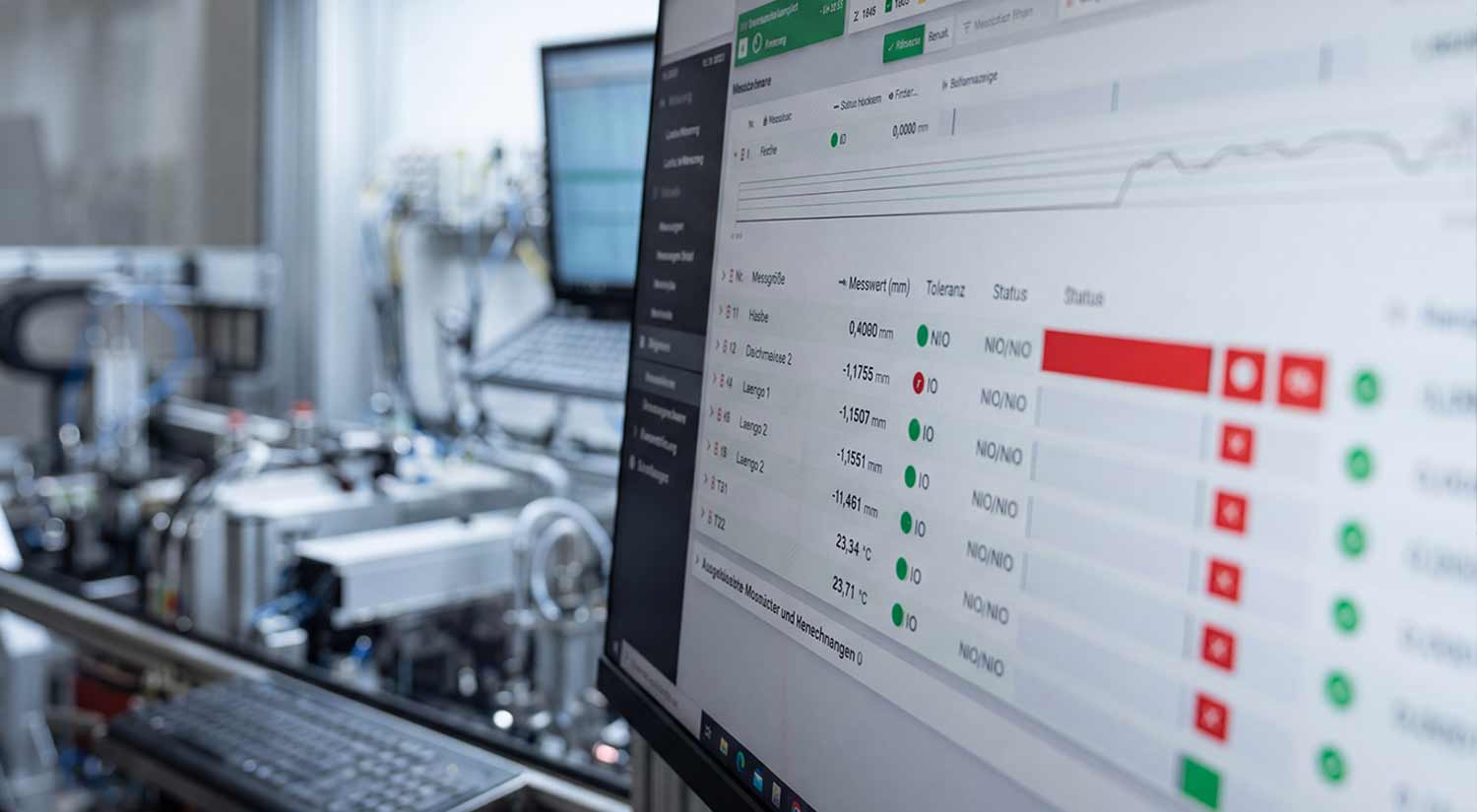
Messdaten zentral erfassen, strukturiert verwalten und rollenbasiert auswerten – von der Inline-Messung über SPC bis zur Endprüfung. Archivierung, Rückverfolgbarkeit und vergleichbare Auswertungen über Maschinen, Linien und Standorte hinweg machen aus Rohdaten belastbare Entscheidungsgrundlagen.
Gemeinsam analysieren wir Ihre Prozesse und identifizieren Ihre Anwendungsfälle. Daraus leiten wir Ideen für Softwarelösungen ab. Haben Sie bereits eine konkrete Idee, prüfen wir diese auf Business-Tauglichkeit sowie technische Umsetzbarkeit.
Wir konzipieren Ihre Software-Lösung als Schnittmenge aus Business-, Technologie- und Nutzeranforderungen. Dazu analysieren wir Use Cases, definieren Schnittstellen und erstellen einen konkreten Umsetzungsplan.
Im Dual Track Agile entwickeln wir Ihre Individualsoftware nach Clean Code Standard – iterativ, nutzerzentriert und mit kontinuierlichen Releases, die frühzeitig Mehrwert in Ihrem Betrieb schaffen.
Wir betreiben und warten Ihre Software, überwachen die System-Performance und sorgen mit regelmäßigen Updates und technologischer Weiterentwicklung für einen nachhaltigen, sicheren Betrieb.
An IIoT project is economically worthwhile if measurable improvements can be achieved through the use of operating and production data. Typical effects include reduced downtime, lower maintenance costs or more efficient production processes. In many cases, economic benefits arise even with clearly defined applications. It is crucial to define the benefits early on and to set up projects in such a way that they can be gradually expanded.
The most common risks associated with IIoT projects include unclear objectives and lack of integration into existing systems. These risks can be reduced by starting projects with clear questions and designing them in a technically clean manner. A step-by-step approach with pilot applications helps to gain experience.
Industrial IoT is neither exclusively an IT nor a purely departmental issue, but an interplay between both sides. Business areas define goals, questions and desired benefits, while IT is responsible for integration, security, and operation. Successful IIoT projects are created where both perspectives are brought together early on. A clear distribution of roles and a common definition of goals are more important than the organizational allocation of the project.
IIoT generally does not require a completely new IT infrastructure. Many IIoT solutions build on existing systems and expand them in a targeted manner. It is important that relevant machine data can be made accessible and connected in a meaningful way. Instead of parallel structures, it is recommended to gradually expand the existing IT landscape in order to create sustainable and integrated solutions.
Wir berücksichtigen branchenübliche Normen wie ISO 9001, IATF 16949 und GxP-Anforderungen, ebenso wie aktuelle Cybersecurity-Regularien (CRA, NIS2). Audit-Trail, Datenintegrität, revisionssichere Dokumentation und nachweisbare Messalgorithmen durch automatisierte Tests fließen von Beginn an in die Architektur ein.
An IIoT project usually requires contacts from specialist areas, IT and possibly maintenance. The size of the project team is less important than a clear responsibility and decision-making structure. Technical knowledge of processes and systems is just as relevant as technical know-how for integration. Close coordination between the parties involved makes a significant contribution to the success of the project.
Prüfstände ändern sich: neue Sensoren, andere Aktoren, geänderte Messabläufe. Mit modularer Architektur und dynamisch ladbaren Plug-ins lassen sich Erweiterungen einbinden, ohne die gesamte Software neu kompilieren zu müssen. So verkürzen Sie die Time-to-Market bei neuen Prüfstand-Varianten und bleiben technologisch flexibel.
Wir berücksichtigen branchenübliche Normen wie ISO 9001, IATF 16949 und GxP-Anforderungen, ebenso wie aktuelle Cybersecurity-Regularien (CRA, NIS2). Audit-Trail, Datenintegrität, revisionssichere Dokumentation und nachweisbare Messalgorithmen durch automatisierte Tests fließen von Beginn an in die Architektur ein.
Klein und klar begrenzt: ein überschaubarer Anwendungsfall mit erkennbarem Nutzen – z. B. definierte Messvorgänge, ein Pilotkunde oder ein klarer Service-Use-Case. Ziel ist es schnelle fundierte Erkenntnisse und Erfahrung mit Technik, Organisation und Schnittstellen zu erhalten. Ein solcher Start senkt Risiken und macht den tatsächlichen Nutzen besser bewertbar. Danach lässt sich die Software gezielt erweitern – um weitere Prozesse, Maschinen, Regionen, Datenquellen oder Funktionen.
The duration of an IIoT project depends heavily on the use case, the existing infrastructure and the scope of integration. Pilot projects provide initial results and help to better understand requirements.